
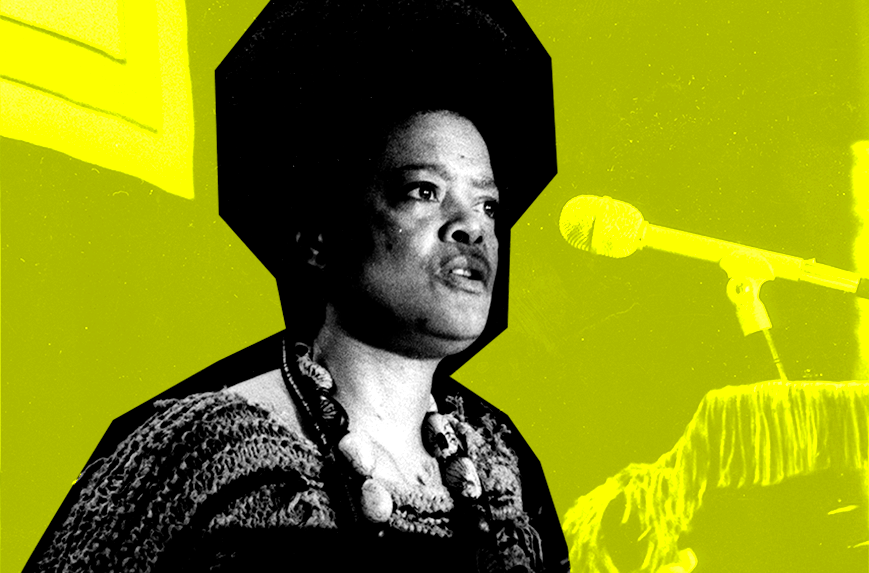
The Writer As Cultural Worker (1982) Toni Cade Bambara
Bambara also delves into the function of the artist, which she asserts is determined by the community the artist serves. As a "cultural worker who belongs to an oppressed people," her job is "to make revolution irresistible" by celebrating community victories and critiquing reactionary behavior. She views her best audience as the everyday folks—those in the "washhouse," on the bus, or who send straight-up gut responses—the "community that names" her and validates her work.
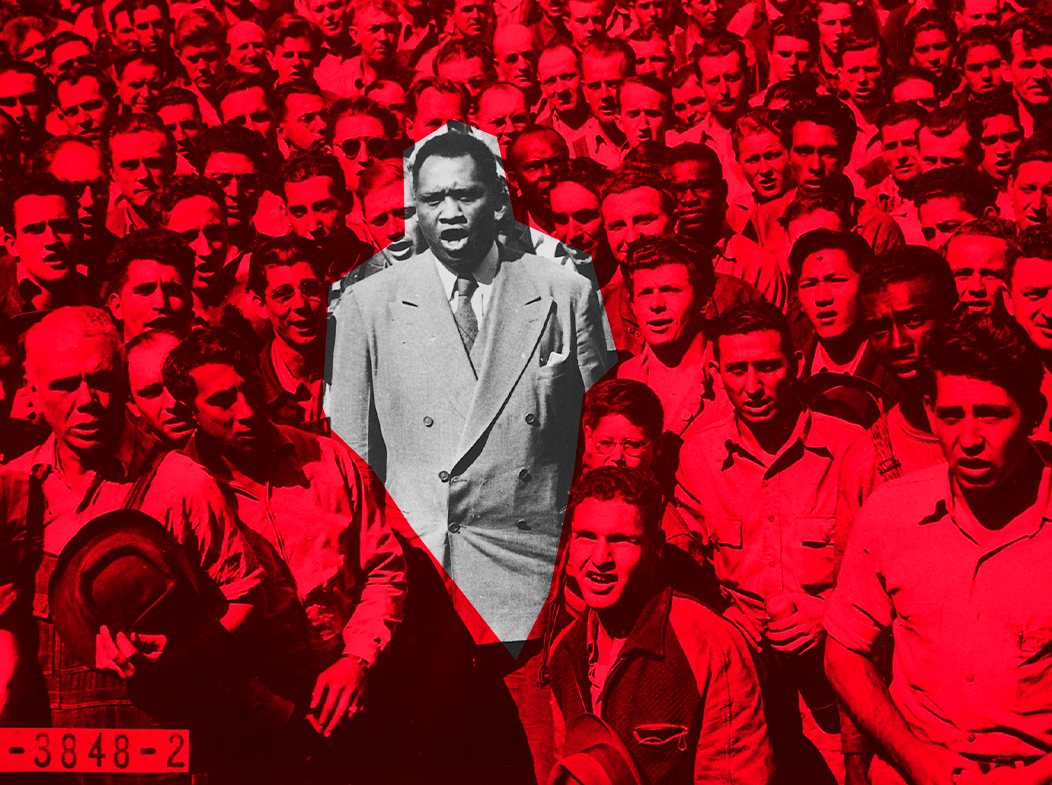
Paul Robeson’s Testimony Before the Senate: Internationalism, Socialism, and Black Liberation (1948)
This archival recording captures the revolutionary voice of Paul Robeson as he appears before the Senate Judiciary Committee on May 30, 1948. Challenging the growing fervor of the Second Red Scare, Robeson delivers powerful testimony in opposition to the repressive Mundt-Nixon Communist Registration Bill. Listen as the artist and activist masterfully exposes the bill as a tool of the ruling class, arguing that the government's anti-communist crusade was a cynical maneuver designed to crush the struggle for Black liberation and distract from the brutal realities of racial capitalism at home. Robeson’s defiant stand for civil liberties and his open admiration for a socialist alternative is a courageous blueprint for cultural workers using their art and voice to advance the movement against imperialism a refusal to be silenced that would soon lead to the notorious revocation of his US passport.